
Why the human touch matters even more in an AI world
When was the last time you received a handwritten note in the mail? Not a birthday card with someone else’s sentiment printed inside. Not a Christmas card signed with a name and nothing more. An actual note. Written specifically to you.
Chances are you remember it.
We live in a world where almost everything can be automated. Emails arrive because we triggered a sequence. Social messages are sent by the hundreds. And now AI can write a thank-you note, sales email, social media post – or pretty much anything else – in seconds.
Don’t get me wrong. AI is an incredible tool. But perhaps that’s also why something decidedly low-tech has become even more powerful.
A pen. A note card. A few sentences written by a real person. By you!
It’s not the handwriting that makes it personal
Years ago, I wrote an article about “old-fashioned marketing.” I encouraged readers to pick up the phone, reconnect with former clients and contacts, and spend time each week handwriting a few note cards.
A lot has changed since I wrote that article. But I think handwritten notes may be even more valuable today. There’s one important distinction, though:
A handwritten note isn’t powerful because it’s handwritten.
It’s powerful because it’s personal.
That’s where we can get it wrong.
If the note is simply another way to sell something, ask for a referral, or remind someone what you do, you’ve taken something wonderfully personal and turned it into another marketing tactic.
The recipient shouldn’t finish reading your note and wonder, Okay, what do they want from me?
The answer should be: nothing.
For years I’ve sent handwritten note cards (actually, I’ve sent handwritten letters all my life) and continue to include a personal note in the welcome bags at my writing retreats. But a few years ago, I stepped it up a notch – and the difference was huge!
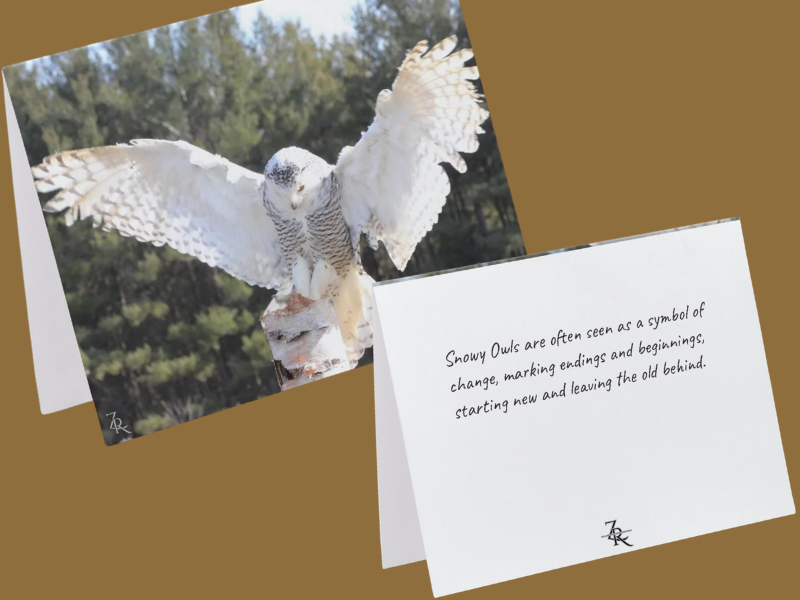
My husband is a wonderful photographer and captures unique images in nature. So, I used his photos, added my words, and created my own beautiful note cards. Some recipients have been so impressed that they take a photo of their card and post to their social accounts to share the experience.
That’s what a good handwritten note can do.
It tells someone:
I noticed.
I remembered.
I appreciated what you did.
I was thinking about you.
And you don’t need to write a lot. In fact, you probably shouldn’t. The best notes are often only a few sentences long. What matters is that those sentences could only have been written to that person.
Instead of:
Thanks for your business. I really appreciate your support and look forward to working with you again.
Try something specific:
I was thinking about our conversation last week and wanted you to know how much I enjoyed working through the ideas with you. I especially loved seeing how excited you became when we landed on the right approach. I can’t wait to see where you take it.
The first is perfectly pleasant.
The second creates a connection.
What should you write?
You don’t need a “handwritten note strategy.” And please don’t ask AI to generate 20 variations of thank-you messages so you can copy them onto cards.
Just pay attention.
- Did someone introduce you to a potential client? Thank them.
- Did a client reach an important milestone? Congratulate them.
- Did someone do something unexpectedly kind? Tell them you noticed.
- Did a conversation stay with you long after it ended? Tell the person why.
- Did someone recommend your business, share your article, or support you when they didn’t have to? Let them know it mattered.
- Did something wonderful happen in someone’s life: a new baby, new home, new pet, or exciting accomplishment? Celebrate with them.
And don’t immediately follow any of those thoughts with a request.
- No “If you know anyone else who could use my services…”
- No “I’d love to discuss how we could work together…”
- No cleverly disguised call to action.
Sometimes inefficient is exactly the point
Writing a note takes longer than sending an email.
You have to find the card (or make it). Find a pen. Write the message. Address the envelope. Find a stamp. And actually put the darn thing in the mailbox.
From a productivity standpoint, it’s terribly inefficient.
That’s exactly why it matters. The person receiving it knows you spent a few minutes thinking about them.
When we’re surrounded by communication designed to be faster, scalable and automated, perhaps one of the best ways to stand out is to do something that isn’t any of those things.
And apparently, the love of beautiful note cards runs in the family. My 17-year-old grandson, an avid photographer and birder, recently launched his own collection featuring his owl photography and beautiful words on the back — words he wrote himself.
Perhaps handwritten notes aren’t quite as old-fashioned as you think.
Something personal. Something genuine. Something that doesn’t ask for anything in return.
Maybe it’s time to buy some stamps.

